
the Brief
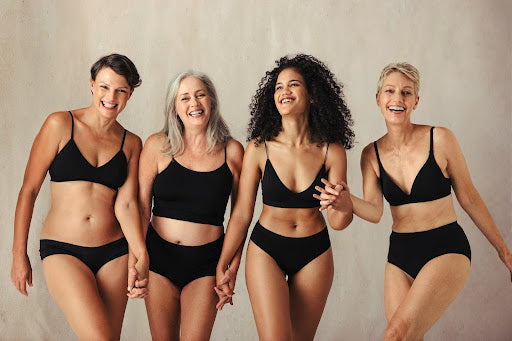
Meet the 7 Different Kinds of Women’s Underwear
Underwear is the most intimate and personal item in your wardrobe, so it's important to choose the right type of panties for different occasions, moods, and outfits. With that being said, let's dive into the world of women's underwear and discover the different types and their benefits!

AdobeStock by Jacob Lund
1. Bikini Underwear:
Bikinis are like a trusty sidekick, always there when you need them, but never taking the spotlight. These low-rise undies are perfect for wearing under low-rise pants or skirts, and they’re the ultimate wing-woman for your outfits. The benefits of bikini underwear are comfort, freedom of movement, and no visible panty lines!
2. Shorties:
Shorties are like your best friend, always by your side, but not too clingy. They’re like a compromise between bikinis and fitted boxer shorts, providing a bit more coverage but still keeping it low-rise. Shorties are perfect for wearing under tight-fitting clothes, and are great for those hot summer days. The benefits of shorties include versatility, comfort, and the absence of panty lines.
3: Classic Panties:
Classic panties are like the dependable, supportive parent in your life. They provide full coverage and sit at the natural waistline, so they’re perfect for everyday wear. The benefits of classic panties include comfort, coverage, and the ability to be worn with any outfit.
4. Bicycle Underwear:
Bicycle underwear is like your workout buddy, always pushing you to be your best. Designed specifically for women who move a lot, these undies are made from breathable and moisture-wicking materials to provide comfort and support during intense workouts. The benefits of bicycle underwear include comfort, support, and the ability to reduce chafing during those long bike rides or burn sessions.
5. Loose Boxer Briefs:
Loose boxer briefs are like your lazy Sunday companion. They provide full coverage and have a relaxed fit, perfect for wearing under loose or flowing clothing. They're also great for lounging around the house. The benefits of loose boxer briefs include comfort, versatility, and the ability to make you feel like you're wearing pajamas all day.
6. Fitted Boxer Briefs:
Fitted boxer briefs are like your confident and stylish friend. They provide full coverage and have a snug fit, perfect for wearing under tight-fitting clothes. They’re the ultimate solution to prevent panty lines and keep you feeling supported. The benefits of fitted boxer briefs include comfort, support, and the ability to make you feel like you can conquer the world.

7. High-Waisted Panties:
High-waisted panties are like the wise and experienced mentor in your life. They sit high on the waist and provide full coverage, making them perfect for wearing under high-waisted pants, skirts, and dresses. They also have a form-shaping effect, making them a great choice for those days when you eat your weight in french fries. The benefits of high-waisted panties include comfort, coverage, form-shaping, and the ability to be worn with any outfit.
So, what’s your panty style? Whether you're looking for a trusty sidekick, a supportive parent, a workout buddy, a lazy Sunday companion, or a confident and stylish friend, there's a type of women's underwear that will meet your needs. So, choose wisely and always rock the look that makes you HAPPY.
Read more
The Women’s Underwear Debate: Could Your Underwear Be Affecting Your Health?
Putting your underwear on in the morning shouldn’t be a health debate, but is it? From yeast infections to cellulite and cancer-causing chemicals, “on-trend” women’s underwear may have serious consequences. Today, we'll take a dive into the science behind these claims, and how you can take your health into account when deciding which “pair” to wear.

Is Women’s Underwear a Cause of Cellulite?
Cellulite. It’s a word associated with a deep feeling of dread for most women. And it may be connected to our clothing choices—particularly our underwear. Now, it’s important that we preface with the fact that scientists have never definitively identified the cause of cellulite. Most likely, a myriad of factors lead to its appearance—including genetic predisposition, hormones, diet, and lifestyle.
Okay, so where does women’s underwear come into it? Well, some theories connect the development of cellulite with poor circulation and lymph drainage (essentially, poor blood flow). And the idea that cellulite is a fallout of weight gain is becoming rapidly debunked. Yet evidence is abundant that cellulite is connected with a modern, Western lifestyle. In fact, cellulite has been found to be nonexistent in certain tribal cultures, such as the Peruvian Shapiro tribe.
While meat consumption and processed foods likely play a part, one hallmark of modern Western culture is the restriction of blood flow to the gluteus maximus area. This happens in two ways:
- Desk Culture: Sitting at a desk for eight hours a day is considered the norm, not the exception. And guess what sitting does? It restricts blood flow to your glutes and legs.
-
Modern clothing: If you read our article on the history of women’s underwear, you already know that restrictive clothing was not the norm throughout history. Flowing dresses and loose pantaloons were much more conducive to blood flow than tight leggings and jeans. But the biggest circulation-stopping culprit in our wardrobe is, you guessed it, our underwear. Ever taken off your panties at the end of the day and noticed a deep red line where the elastic cut into your glutes? Well, that tight elastic was also cutting off your blood flow. And that’s where the panty X cellulite connection comes in.
So, what underwear can you wear without restricting that all-important blood flow? Thongs (ew) are one choice, but if you want to be comfortable, women’s boxers are the better option—particularly styles like the Woxer Biker, that extend below the most cellulite-prone areas of the thighs and glutes.
Most importantly, avoid thin, pinching elastics in your underwear choices. If it cuts into your skin, it could be doing more damage than you realize.

Can Women’s Underwear Cause UTIs and Yeast Infections?
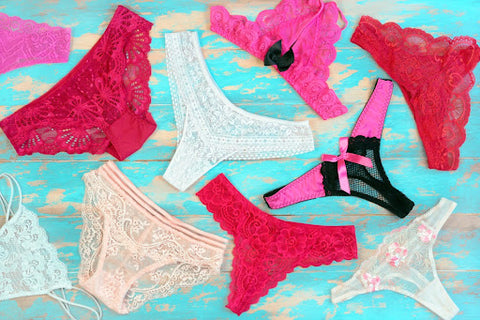
Did you know that 85% of women between the ages of 24-28 still wear thongs? And although thongs can be absolved of guilt in the great cellulite debate, they’re a breeding ground for UTIs and yeast infections.
In addition to compressing your most sensitive tissues, thongs and other “wedgie-prone” women’s underwear trap bacteria and force it upwards into the vagina and urethra. Thongs have even been known to transmit fecal matter from the anus into the vaginal area.
Sound fun? But wait, there’s more. These underwear types also reduce breathability and promote a moist, sweaty vaginal environment. And—you guessed it—that’s yeast’s favorite place to grow. So if you’re one of the 138 million+ women suffering from recurrent yeast infections, it may be time to look for the culprit in your underwear drawer.
These bacterial and fungal breeding grounds are one reason why more and more women are emptying their thong drawers and switching to women’s boxers. Because women’s boxers extend down the thigh, they redistribute pressure away from the vaginal area, thus reducing the likelihood of infection.
Are There Pesticides in Women’s Underwear?
Take a quick break from this article to open your underwear drawer. How many pairs are made from cotton? Cotton is one of the most popular clothing materials in the world, and it’s widely considered safe because (as opposed to its synthetic cousin, Nylon) cotton is naturally derived.
Unfortunately, despite cotton’s natural origins, its production process is far from natural. In fact, cotton consumes more pesticides than any other modern crop, accounting for 16% of all pesticides used worldwide (despite only representing 2.5% of agricultural land).
While cotton’s agricultural impact is undeniably significant, does this pesticide usage actually affect the final clothing product? The short answer is yes, trace amounts of the chemicals used in cotton production can linger in the final product and are not eliminated by machine washing. The greater debate is whether or not these trace amounts are significant enough to have any health impact.
To err on the side of caution, best practice is to either buy only organic cotton products, OR turn to cotton’s safer natural cousin, Lenzing Modal. Lenzing Modal is derived from the pulp of sustainably sourced beechwood trees, it’s produced sans-pesticides, and it's actually twice as soft as cotton. Lenzing Modal is also the material used in every Woxer product (that’s why they’re so ridiculously soft).
How I Make More Health-Positive Underwear Choices?
The first step in your underwear search should be to look for companies that, like Woxer, were founded by women. Women’s underwear designs have been influenced for far too long by male ideas (generally focused on what looks “sexy” as opposed to what’s actually optimal for women’s health and wellness). It’s important to also avoid synthetic materials and materials that aren’t breathable or moisture-wicking. And please, please, if you care about your vaginal health at all…burn the thong!

Which Should You Wear? The Difference Between Women’s Underwear Made with Cotton, Polyester, and Modal
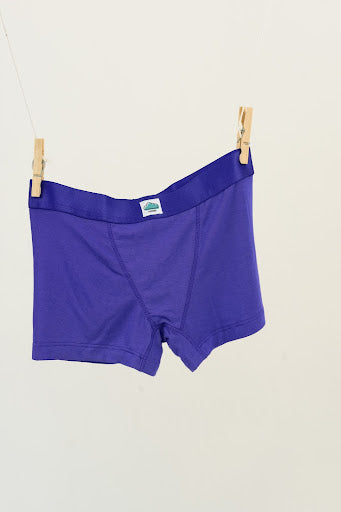
Have you ever stopped to think about what kind of fabric you're wearing down there? It's a topic that often goes overlooked, but trust us, it's worth a second thought. After all, you wear it every day, all day, and the last thing you want is to be walking around with a wedgie, chafing, or feeling uncomfortable. That's why, in this article, we're going to dive into the differences between women’s underwear made from cotton, polyester, and modal fabric to help you make an informed decision next time you go underwear shopping.

Women’s Underwear Made with Cotton
First up, we have cotton, a classic fabric that has been around for centuries (and for good reason). It's soft, breathable, and hypoallergenic, making it a popular choice for women's underwear. Cotton is also easy to care for, as it can be machine washed and dried without any fuss. However, there's a downside to this fabric–it's not as durable as the other fabrics we'll be discussing. Cotton can shrink, lose its shape, and fade over time, which is not exactly what you want when it comes to your undies.
Another unfortunate downside of cotton is its environmental impacts. Cotton production is a leading contributor to pesticide and fertilizer use, which can have harmful effects on soil and water quality, as well as wildlife and human health. Cotton production also involves a significant amount of energy consumption—from the production of inputs like pesticides and fertilizers, to the transportation of cotton and finished products. The production and disposal of cotton also generates significant amounts of waste, and cotton is not easily biodegradable, meaning it can persist in the environment for a long time after it is discarded. All of these factors combined make cotton a fabric with a significant environmental footprint, and highlight the need for more sustainable alternatives.
Women’s Underwear Made with Polyester
Next, we have polyester, a synthetic fabric that was first introduced in the 1940s. This fabric is known for its durability and strength, making it a popular choice for women's underwear that needs to withstand the rigors of everyday wear and tear. Polyester is also easy to care for and dries quickly, which is great if you're in a hurry. However, while polyester may be strong, it's not the most comfortable fabric on the planet. It can feel rough and scratchy against your skin, which is not exactly what you want when you're wearing your undies for hours on end.
But the real downside of polyester is in its potential health impacts. Polyester is made from petroleum-based products and does not allow for proper air circulation, meaning it can trap heat and moisture close to the skin. This can result in skin irritation and increased risk of fungal and bacterial infections. Polyester can also release microplastics, tiny plastic particles that can make their way into the environment and potentially harm wildlife and human health. Additionally, many polyester products are treated with chemicals like formaldehyde, which can cause skin irritation and respiratory problems. While polyester has the advantage of being durable and easy to care for, it is important to consider the potential health impacts before making a purchasing decision.
Women’s Underwear Made with Modal
Finally, we have modal fabric, a newer player in the women's underwear market. This fabric is made from a type of cellulose that comes from beech trees, making it a natural and sustainable option. Modal fabric is incredibly soft and smooth, making it comfortable to wear all day long. It's also highly absorbent, which means it will keep you dry and fresh, even on the hottest days. Modal fabric is even highly resistant to shrinkage and fading, which means your undies will look and feel great for years to come.

Which Fabric Should You Choose?
So, which is the best fabric for your health and comfort? We think it's a no-brainer—modal fabric is the clear winner. With its soft, smooth texture and natural properties, you'll feel comfortable and fresh all day long. Plus, its resistance to shrinkage and fading means you can enjoy your undies for years to come, without having to constantly replace them.
To summarize, when it comes to women's underwear, it's important to consider the type of fabric you're wearing. Cotton is soft and breathable, but it's not as durable as other fabrics. Polyester is strong and easy to care for, but it can be rough and scratchy against your skin. Modal fabric, on the other hand, is soft, smooth, absorbent, and sustainable, making it the best option for your health and comfort. So next time you go underwear shopping, keep modal fabric in mind and give your down there the love and care it deserves!


Yes, Anti-Chafing Underwear is a Real Thing (and It Actually Works!)
Have you ever gone for a run or had a long day at work only to end up with painful chafing? It's a common problem that can really put a damper on your day. But fear not! Woxer boxers for women are here to save the day (or at least your thighs).

So, how do boxers for women actually help with chafing? Well, we’re going to break it down for you. Here’s a peek inside the secret sauce that makes Woxer the anti-chafing underwear of the future:
Anti-Chafing Underwear Ingredient #1: Moisture-Wicking Material
Woxer women’s boxers are made from a special, eco-friendly material called Lenzing Modal (which is actually manufactured from the pulp of sustainably farmed beechwood trees!) This unique fabric is super soft, comfortable, and breathable. And best of all, it's great at wicking away moisture–which reduces the risk of chafing. No more sweat-drenched thighs causing irritation!
Anti-Chafing Underwear Ingredient #2: Smooth and Soft Fabric
You guessed it…texture matters! The smooth and soft fabric of Woxer is anti-chafing underwear eliminates friction against your skin. No more rough, scratchy fabric rubbing against your thighs all day. This makes Woxer perfect for women who are always on the go and don't want to worry about chafing during their daily activities.

Anti-Chafing Underwear Ingredient #3: Stretchy Material
Woxer anti-chafing underwear is made with a stretchy material that allows for a snug, comfortable fit. No more baggy, loose boxers that bunch up and create friction. With these women’s boxers, you'll be able to move freely without worrying about any skin irritation.
Anti-Chafing Underwear Ingredient #4: Lightweight Material
Because the Lenzing Modal used in Woxer anti-chafing underwear is such a lightweight material, it won't add any extra bulk to your outfit–reducing friction by extension. This is also great news for women who are tired of feeling weighed down by heavy, thick underwear. Reduce the friction between your thighs, and feel your comfiest ever.

Anti-Chafing Underwear Ingredient #5: Thigh Coverage
Thigh coverage is a must-have in the war against chafing! Think of it as armor for your thighs, protecting them from the evil forces of friction and irritation. By providing ample coverage for the thighs, Woxer anti-chafing underwear reduces the amount of skin-to-skin friction that occurs during physical activity. This can help to eliminate the discomfort and irritation that results from chafing.
Don’t believe the hype? Try Woxer anti-chafing underwear for yourself! Every pair of Woxer boxers for women comes with a 100% love guarantee–that means you get to wear them, experience the anti-chafing magic, and then commit to keeping them.

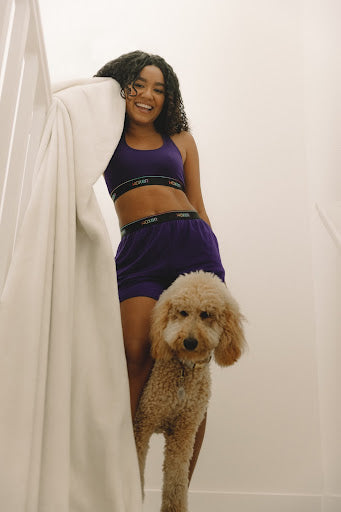
The 3 Reasons Why You NEED to Ditch Your Pajamas for Boxer Briefs
Ready to ditch the awkward sleepwear that rides up or bunches in the night, and step into the world of “ahhh, that was the best sleep ever…?” If you're looking for the best underwear for lounging and sleeping, look no further than the Woxer Dreamer boxer brief. Here are three reasons why these bad boys should be your go-to for lazy days and sweet dreams.

1. Wedgies and Lounge Underwear Shouldn’t Jive
Why is it that every pair of “sleep shorts” ends up in your crack halfway through the night? It’s annoying, and it’s time for a new solution. So say goodbye to awkward wedgies, and hello to a comfortable fit. Woxer boxer briefs are loose in all the right places, but actually stay in place during the night thanks to a super comfortable, wide elastic waistband. Plus, the breathable material will keep you cool and cozy all night long.
2. Say Goodbye to Boring Non-Functional Lounge Underwear, Hello POCKETS
Think for a moment…what could make your bedtime routine even better...? Get your mind out of the gutter, because we’re talking about pockets! Imagine being able to carry your phone, a tissue, or even a snack with you as you lounge in bed. No more having to get up and rummage through drawers to find what you need. Pockets in sleepwear add a whole new level of convenience and comfort. Plus, it's a fun way to add a little extra functionality without sacrificing your beauty sleep. Who wouldn't want to make the most of their downtime by having everything they need right at their fingertips?

3. When You’re Looking for the Perfect Lounge Underwear, It’s All About the Material
Let's face it, sleep is one of the best things in life. Why not make it even better by wearing the most comfortable underwear ever? Woxer boxer briefs are made for lounging, with a natural, eco-friendly fabric called Lenzing Modal. Modal is made from the fibers of beech trees, and it has a number of benefits that make it the best choice for sleep underwear. Firstly, Lenzing Modal is incredibly soft and smooth to the touch, making it gentle against your skin as you sleep. In fact, it’s famous for being TWICE as soft as cotton. So sit back, relax, and sleep like a baby in the softest material you’ve ever experienced.

4. Say Goodbye to Sweaty Sleeps
If you're someone who sweats at night, Woxer boxer briefs may just be the solution you're looking for. Our Lenzing Modal material is highly absorbent, meaning it can wick away moisture and keep you feeling cool and dry all night long. This makes it the perfect choice for those who tend to sweat while they sleep. Plus, the breathable and soft texture of Lenzing Modal makes it gentle against your skin (a life-saver if you’re prone to sweat rashes). So if you're tired of waking up feeling damp and uncomfortable, give Woxer boxer briefs a try. You may be pleasantly surprised by how much they improve your sleep experience!
Ready to sleep better? Here’s where you go to get started. And be sure to let us know how your experience goes. We LOVE reviews.
Read more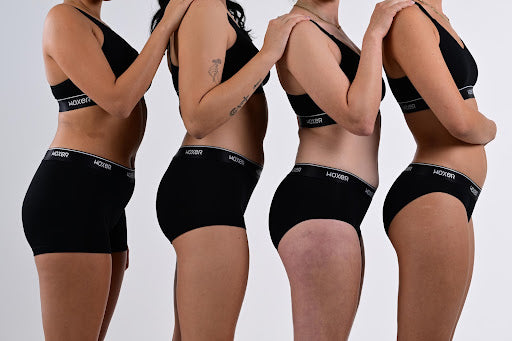
The History of Women’s Underwear (And Why the Future is COMFY)
Let's talk about our undies! Or rather, let’s talk about the undies of generations past…because it’s been a LONG and winding road to get to Woxer-level comfort. From simple tunics to corsets tight enough to make breathing a challenge, women's underwear has come a long way. So sit back, grab a cup of tea (or a glass of wine, no judgment here), and let's take a trip down memory lane to see how our undergarments have evolved.

The Ancient Greeks and Romans Got Women’s Underwear Right
Let’s start in ancient Greece and Rome, when women wore simple, flowy tunics that served as both underwear and outerwear. These tunics were made from lightweight materials like linen and silk, and were often decorated with beautiful embroidery. While they may not have been the sexiest lingerie, they were definitely the most breathable women’s underwear.
Then Medieval Europe Decided to “Upgrade” Women’s Underwear with a Touch of Suffocation
Fast forward to medieval Europe and the introduction of the corset. No longer was it enough to simply cover up, women's underwear now had a new goal—to shape the body (ew). Corsets were made from stiff materials like leather and whalebone and were tied so tightly around the waist that women could hardly move, let alone breathe. But hey, fashion never comes without a little discomfort, right? Well, at least until the invention of Woxer ;).

Renaissance Europe Made Women’s Underwear a Tad More Comfy
Renaissance Europe brought the chemise, a sleeveless undergarment worn next to the skin. Made from delicate fabrics like silk and lace, the chemise was a foundation garment that helped smooth and shape the body under clothing. It was a step in the right direction, as women finally had an undergarment that wasn't made from tough materials and wasn't tied so tightly that it felt like a medieval torture device.
The 19th Century Was a Game-Changer for Women's Underwear
The 19th century was a game-changer for women's underwear with the advent of the sewing machine. This allowed for mass-production of garments, including lingerie, and made women's underwear more accessible to the masses. The corset became even more popular with the introduction of the hourglass figure, which required an even more rigid and structured corset. It was around this time that elastic materials and lighter fabrics were introduced, making women's lingerie a little more comfortable, but not exactly a walk in the park.

In the 20th Century, Women’s Underwear Evolved
The early 20th century saw a shift in women's fashion with the flapper style, which emphasized a more relaxed, natural silhouette. Women's underwear became less structured and more practical, with the introduction of the brassiere, which provided support without restricting movement. The brassiere (yep, that means “bra”) was a simple, soft garment made from lightweight materials like cotton or silk, and was designed to support and shape the bust. It was a breath of fresh air for women who were tired of being tied up in corsets.
By the 1950s, Women’s Underwear Was Made of Synthetic Materials
The 1950s and 1960s saw the introduction of synthetic materials and new designs in women's lingerie. Bras became more functional and fashionable with the introduction of underwire, padded cups, and adjustable straps. Girdles, slips, and stockings were also introduced, taking women's underwear to a new level of fun.
In the 1970s, the First Seamless Panties Were Invented
The 1970s and 1980s brought a revolution in women's fashion, with the introduction of new, more comfortable underwear designs. The corset was finally replaced by the girdle, a soft, elastic garment that provided support and control without restricting movement. Seamless bras and panties were also introduced, providing a smooth, streamlined silhouette. Women were finally free to move around.

In the 1990s, Women’s Underwear Was All About the Male Gaze
Enter the 1990s to early 2000s, and women’s underwear took a nosedive in comfort. The rise of iconic lingerie brands like Victoria’s Secret took center stage, and thongs became the status quo. Although comfy bras still existed, underwires, push-ups, and padded bras were more commonplace. In short, it was time for a change!

Fast-Forward to Today, and the Women’s Underwear Revolution Has Begun
Today, women’s underwear is finally embracing the idea that being YOURSELF and being COMFORTABLE are the most important things. Suffering through the day in a thong isn’t as sexy as wearing a buttery soft, form-hugging pair of women’s boxer briefs to the ladies of today. Want to join the revolution? Empty your thong drawer, and give your butt the Woxer hug it deserves.


